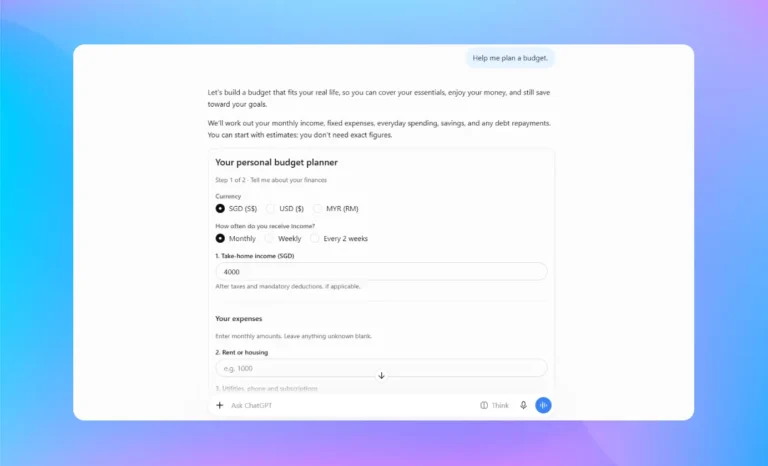
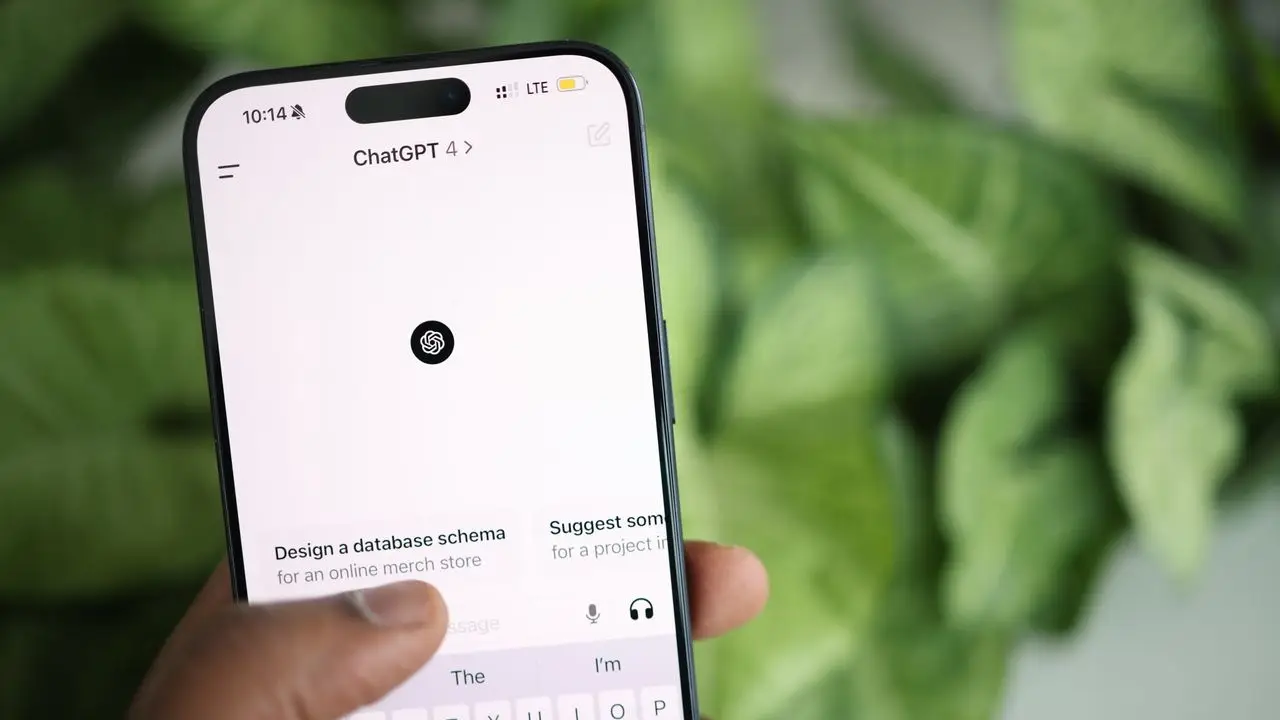
OpenAI is bringing ads to ChatGPT in India, and Free and Go users are the ones who will notice the change first.
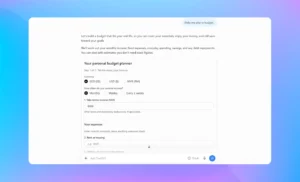
Instead of seeing only an AI answer, eligible users may now find a sponsored recommendation sitting below it. The ad will be labeled, kept separate from the response, and shown only when OpenAI finds it relevant to the conversation. Higher-tier plans, including Plus and Pro, will stay ad-free.
It is a big change for a simple reason: millions of people in India use ChatGPT to search, learn, compare products, and get things done. Now, some of those conversations will also become a place where brands can advertise.
So, what will these ads look like, who will see them, and can they affect your answers? Let’s find out.
Who Will See Ads
- The rollout is limited by both age and subscription type.
- Logged-in adults using the Free plan may see ads.
- The Go plan is also included in the rollout.
- Plus, Pro, Business, Enterprise, and Education plans remain ad-free.
- Users under 18 are excluded from the advertising experience.
For Free and Go users, seeing an ad will depend on whether a relevant sponsored placement is available. Higher-tier subscribers are not part of the advertising rollout.
How ChatGPT Ads Work
OpenAI is not placing traditional banner advertisements inside the conversation. Instead, a sponsored product or service can appear below a ChatGPT response when it is relevant to the conversation. The advertisement is clearly labeled and separated from the organic answer. The distinction between the answer and the advertisement is important.
OpenAI says advertisers cannot pay to influence ChatGPT’s responses, meaning the sponsored placement does not determine what the model says. The company has also established restrictions around sensitive subjects.
Its advertising system is designed to keep ads away from areas such as health, mental health, and politics, while under-18 users remain excluded from the experience.
Why OpenAI Is Adding Ads
Advertising gives OpenAI another way to generate revenue from ChatGPT’s large free user base.
The company began testing ads in the United States earlier this year and has since expanded the program to additional markets. OpenAI says the broader advertising effort is intended to support access to ChatGPT while building a sustainable business around the product.
That model is straightforward. Users who do not pay for a subscription can continue accessing ChatGPT, while relevant advertising creates another potential source of revenue for OpenAI. The company is also building tools that allow businesses to buy and manage campaigns directly, turning ChatGPT from simply an AI product into a new advertising channel.
Who Runs ChatGPT Ads in India
OpenAI has named WPP and Omnicom as its first agency partners in India. The two agencies will support advertisers with areas including strategy, creative work, measurement, brand safety, and campaign execution. More than 50 brands are expected to go live during the initial rollout.
OpenAI is also preparing self-serve access through ChatGPT Ads Manager in India from September 4. Businesses will be able to purchase advertising directly, with daily budgets starting at ₹725. That lower entry point could make the platform accessible to businesses beyond major national advertisers, allowing smaller companies to test ChatGPT as another customer-acquisition channel.
What About User Privacy?
Privacy is one of the most important questions surrounding advertising inside an AI assistant.
OpenAI says advertisers do not receive users’ private conversations, chat history, or personal memories. The company also says it does not sell user data to advertisers.
Instead, advertisers receive campaign-level information such as performance measurements, while the advertising system keeps the underlying conversations separate from advertisers.
OpenAI has also said that ads are designed to remain separate from ChatGPT’s answers, so a sponsored placement does not become part of the model’s response.
What This Means for Free and Go Users
For eligible users, the most noticeable change will be the appearance of sponsored recommendations beneath some responses.
It will mostly come down to how often you see ads and how useful they are. A helpful ad may not bother you, but too many ads or ads that make no sense could get annoying.
Users who want an ad-free ChatGPT experience can choose a higher-tier subscription. The real question is whether ads will change the ChatGPT experience. People use it for direct help, not to feel like they are being marketed to.
What This Means for Advertisers
ChatGPT offers advertisers a different environment from traditional search and social platforms.
People use ChatGPT for many things, like checking products, comparing options, researching services, or making decisions. OpenAI wants to place ads around these moments.
That gives brands an opportunity to reach potential customers while they are actively thinking about a particular need.
But relevance will be critical. Users may be more accepting of an advertisement that naturally fits their conversation than one that feels disconnected from what they asked.
Why India’s Rollout Matters
India gives OpenAI a significant market in which to test how advertising works inside a conversational AI product. The company has already expanded ChatGPT Ads to several international markets, and India adds another large audience to that effort.
For OpenAI, the opportunity is to build another revenue stream around its consumer product. For businesses, it opens a fresh path to reach people right while they search and decide. The outcome goes beyond just one company. Other AI makers will watch closely and likely follow.
If users accept ads that feel relevant and clearly labeled, ChatGPT sets the pattern. Other AI assistants will likely build similar ad systems of their own.
What Happens Next
The India launch is only the beginning of OpenAI’s advertising push. OpenAI is giving more advertisers access, adding self-serve ad tools, and building out its advertising platform. For users, the change is simple: Free and Go users may see ads, while higher-tier plans stay ad-free.
The longer-term question is how much advertising OpenAI introduces and whether it can maintain a clear line between commercial content and the answers people rely on ChatGPT to provide.
Wrap Up
ChatGPT Ads are changing how OpenAI plans to grow its consumer business. For Free and Go users in India, ads are becoming part of the ChatGPT experience. Businesses also get a new way to reach people who are looking for products, services, or ideas.
The real test will be balance. OpenAI needs to give advertisers enough value to make the platform commercially attractive without making ChatGPT feel like another ad-heavy internet service.
If it gets that balance right, India could become an important proving ground for the future of advertising inside AI assistants.