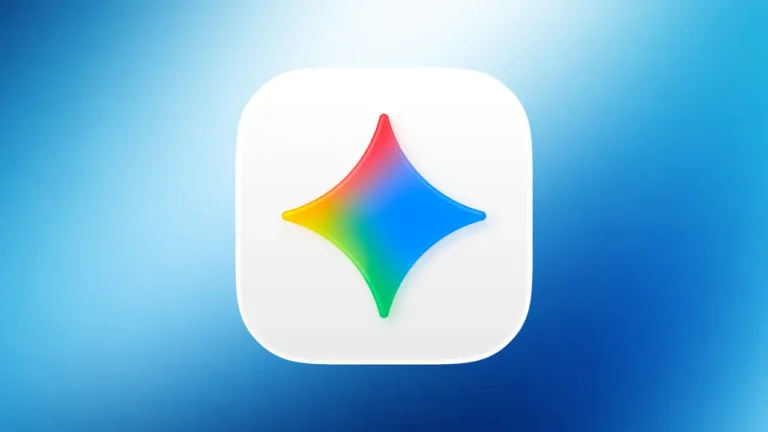



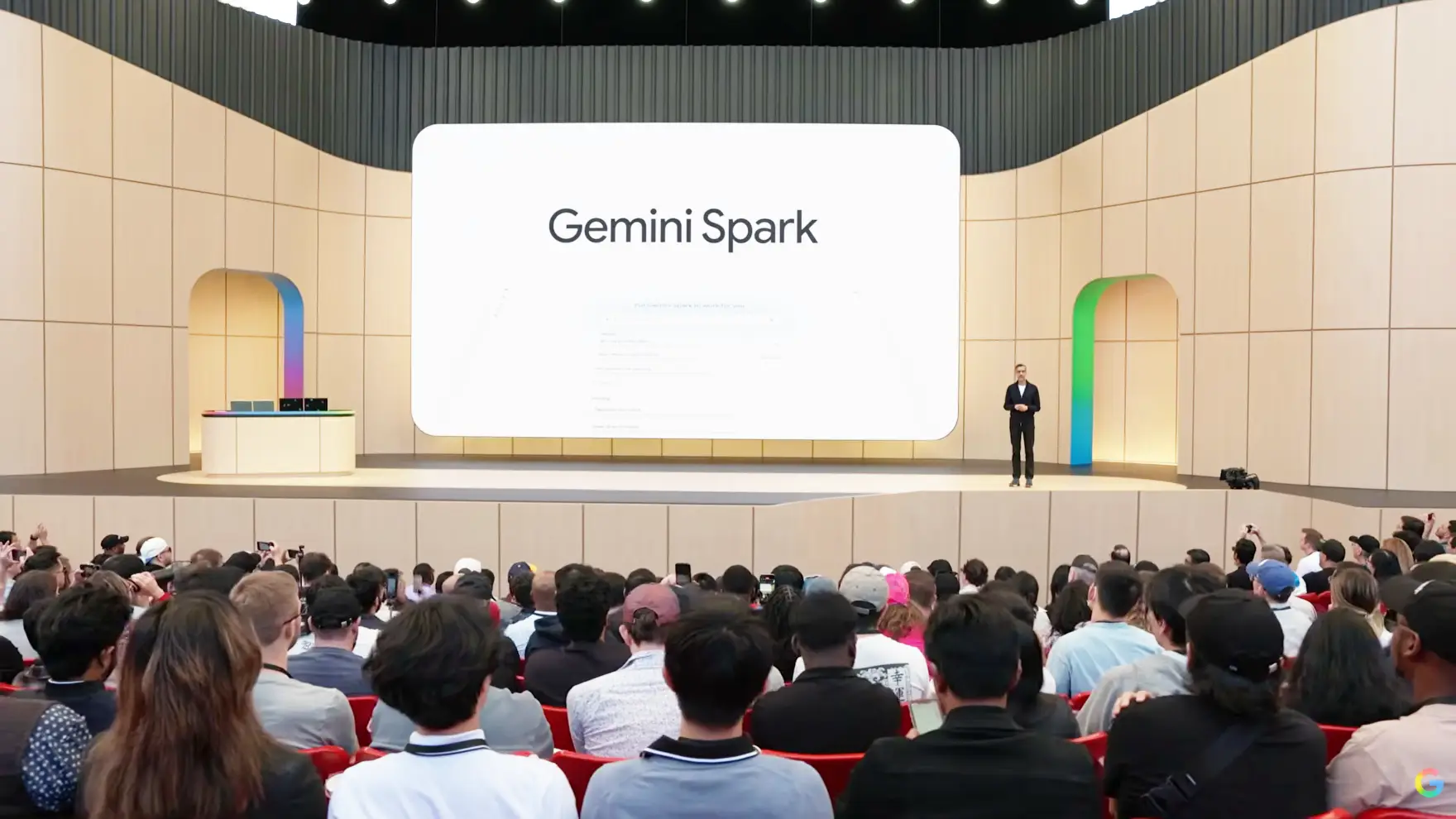
Google is giving AI a real job, not just a job of chatting. At I/O 2026, they launched Gemini Spark, which stays on tasks until they are done. They also announced Antigravity 2.0, which helps people make and manage AI assistants. These tools help AI finish larger projects.
Together, these launches signal a bigger change in Google’s AI strategy. Instead of focusing only on chatbot-style interactions, the company is moving toward agent-based systems that can keep working in the background over time across apps, services, and devices.
Google says Spark is designed as a personal AI assistant that helps manage digital tasks with minimal input. Users assign work, and the AI continues handling it in the background.
Gemini Spark Brings Continuous AI Assistance
Most AI assistants stop after a conversation ends. Gemini Spark works differently. Google designed Spark as a persistent AI agent that can continue running tasks in the background.
Spark runs on Google Cloud infrastructure and is integrated with Gemini models and Google’s agent framework.
It connects with Workspace products, including:
- Gmail
- Google Docs
- Google Sheets
- Google Slides
It also works with third‑party services using the Model Context Protocol (MCP), so apps can connect when you give permission.
Google demonstrated use cases such as:
- Drafting emails using data from Docs, Sheets, Slides, and Gmail.
- Summarizing documents and generating reports.
- Organizing inbox content and recurring tasks.
- Pulling out the main ideas from meeting notes.
- Running background workflows with user approval.
The key shift is simple: Spark continues working after you step away, rather than stopping when a chat ends.
Why Gemini Spark Feels Different
Most AI assistants work on a session-by-session basis. You ask something, get a response, and the interaction ends.
Gemini Spark continues operating after that point. Google is also bringing Spark into Workspace tools so users can access it more naturally without switching apps.
It may also expand to other surfaces, like Chrome, in future updates. To support this experience, Google introduced a new Android system layer (shown in demos and referred to in some coverage as Android Halo) that displays live agent updates without interrupting the user experience.
At the same time, Google made clear that users stay in control. People choose when Spark runs, which apps it can use, and must approve sensitive actions like sending emails or making purchases.
Common use cases include:
- Students organizing research across documents and notes.
- Teams turning emails and chats into easy‑to‑read reports.
- Businesses manage daily emails and stay in the loop on shared inboxes.
- Users working on projects that take several days.
Antigravity 2.0 Expands Beyond Coding
At I/O 2026, Google expanded Antigravity beyond coding-focused workflows. Antigravity 2.0 is now a broader AI agent development and orchestration platform, designed for multi-agent and long-running systems.
Desktop Environment for Multi-Agent Systems
Antigravity 2.0 introduces a desktop-style environment for agent workflows. Developers can:
- Coordinate multiple agents
- Run parallel tasks
- Create sub-agent systems
- Maintain context across workflows
- Integrate with Google AI Studio and Firebase
Antigravity CLI
Antigravity CLI is a command-line tool designed for agent development and automation workflows. It supports migration from earlier tools while preserving core concepts like:
- Agent skills
- Hooks
- Sub-agents
- Extensions (now rebranded as plugins)
SDK for Custom Agent Development
The Antigravity SDK gives developers access to Google’s agent infrastructure. It allows teams to define and deploy custom AI agents, making Antigravity a foundation for building agent-based systems rather than just a coding tool.
Availability and Pricing
Gemini Spark is rolling out first to trusted testers, with beta access planned for Google AI Ultra subscribers in the United States.
AI Ultra includes tiered pricing with higher usage limits for agent workloads and early feature access. Google confirmed Spark will gradually expand across supported tiers during rollout.
Google’s Broader AI Direction
Google’s strategy is now split into two layers:
- Gemini Spark – personal productivity agent for everyday users.
- Antigravity 2.0 – developer platform for building and orchestrating AI agents.
Both are powered by the same Gemini model family, connecting Workspace, Search, Android, and Cloud into a unified AI ecosystem.
Google also showcased AI-powered Search experiences with dynamically generated interfaces and interactive results that adapt in real time.
What This Really Means
These changes will mostly happen quietly in the background during your daily work. You may no longer need to keep reopening emails, remember manual reminders, or approve every small task yourself.
For example, the system could automatically prepare a summary of a document or email while you focus on something else.
For most people, this simply means less switching between apps and fewer repetitive tasks interrupting their day.
For developers, the change is more significant. Instead of building one tool at a time, they will create systems where multiple AI tools work together to complete different parts of a task.
In simple terms, it’s like having a helpful assistant working quietly in the background to keep things organised while you focus on your main work.
Wrap Up
Gemini Spark and Antigravity 2.0 show Google’s move toward AI that sticks around and keeps working, instead of just answering one message at a time. These are persistent, agent‑based systems that can run long after a single chat ends.
Spark is all about helping everyday users get more done. It quietly helps you manage tasks across Google apps in the background, so things move forward without you juggling every step.
Antigravity is tools‑first for developers. It helps them build and expand AI agents that work across different apps and workflows, bringing smarter, more connected experiences to life.
Together, they show a future where AI is not just something you ask and forget, but an active helper that keeps working in the background across apps, services, and devices, not just in one quick reply.
This feels like the moment when AI stops being something you only talk to and starts becoming something that works alongside you, day by day.
If you’re building with AI or working in digital workflows, now is the time to explore how agent‑based systems like these will shape the next wave of productivity and development.