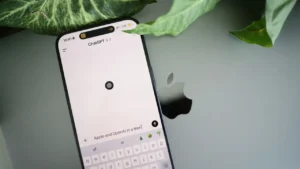


AI is literally in every corner, and teenagers are not far behind. ChatGPT, which is one of the most accessible AI chatbots, is utilized to a great extent for school tasks, creative writing and even for fun. However, a sad incident from California came to light, which indicated that AI cannot always be relied on.
A 16 year old teen opened up to ChatGPT about suicidal thoughts, and some of the AI’s responses accidentally made things worse instead of pointing him toward professional help. After this happened, OpenAI rolled out parental controls to make ChatGPT safer for teenagers.
What ChatGPT Parental Controls Offer?
OpenAI has developed these features after consulting with experts in child safety and mental health, with the intent of balancing safety and privacy in the use of AI. Parents will now be able to:
Filter Sensitive Content: Automatically block graphic content and risky online challenges.
Control Memory: Choose whether ChatGPT remembers past conversations to craft personalized responses.
Opt-Out of Model Training: Prevent future AI models from improving based on interactions with teenagers.
Set Quiet Hours: Restrict access to ChatGPT during other important times (e.g., homework, family times, bedtime).
Voice Mode Off: Use only text for communication.
Limit Image Creation: If desired, turn off the ability to create or edit images.
These controls allow teens to experiment with AI for learning and creativity while still offering parents a way to monitor their children’s engagement with potentially harmful content.
How to Set Up Parental Controls?
Setting up parental controls is straightforward:
- Open ChatGPT on your phone or computer and sign in.
- Go to Settings → Parental Controls.
- Invite your account to connect to your teen’s.
- Have your teen accept to complete the setup.
- Customize settings for filters, quiet hours, memory, voice, and images.
- Get alerts for when your teen disconnects, while still staying informed without seeing your teen’s chats.
While setup is straightforward, you may wonder how much of your teen’s activity is visible to you. Parents don’t get to read through entire chat histories; the system only alerts them if there’s a real safety concern. This way, teens still have their privacy while parents can step in when it actually matters.
Why ChatGPT Parental Controls Matter for Teen Safety?
Many teens rely on ChatGPT for check-ins on homework, exploring projects, or tutoring themselves by thinking through ideas, but nothing beats talking to a real person. When you are stressed, sad, or lonely, you want a friend, family member, or counselor to have a real conversation with, not just a chatbot.
Parental controls aren’t the answer to everything, but they can help set boundaries, steer kids clear of harmful stuff, and get parents and teens actually talking about mental health and online safety.
Actionable Tips for Parents to Manage Teen AI Use
Explore Settings: Review the features so you know what each does.
Connect Accounts: Join your account with your teen’s carefully.
Customize Controls: Adjust filters, quiet hours, memory, voice, and image settings.
Communicate: Talk about AI use, concerns, and mental health.
Monitor Notifications: Keep an eye on account disconnections or safety notifications.
Update Regularly: Adjust the settings as your teen grows up and their habits evolve.
Wrap Up
The parental controls on ChatGPT are a solid step forward, but they’re not a complete solution. Ultimately, teens require human beings to turn to, and not filters or settings. These controls do not substitute the role of parents, teachers, or friends, but they provide families with a process of maintaining healthy boundaries around AI usage.
In the end, the most powerful safeguard is not a filter or a switch. It’s all about having real, honest conversations between teens and the people who actually care about them.