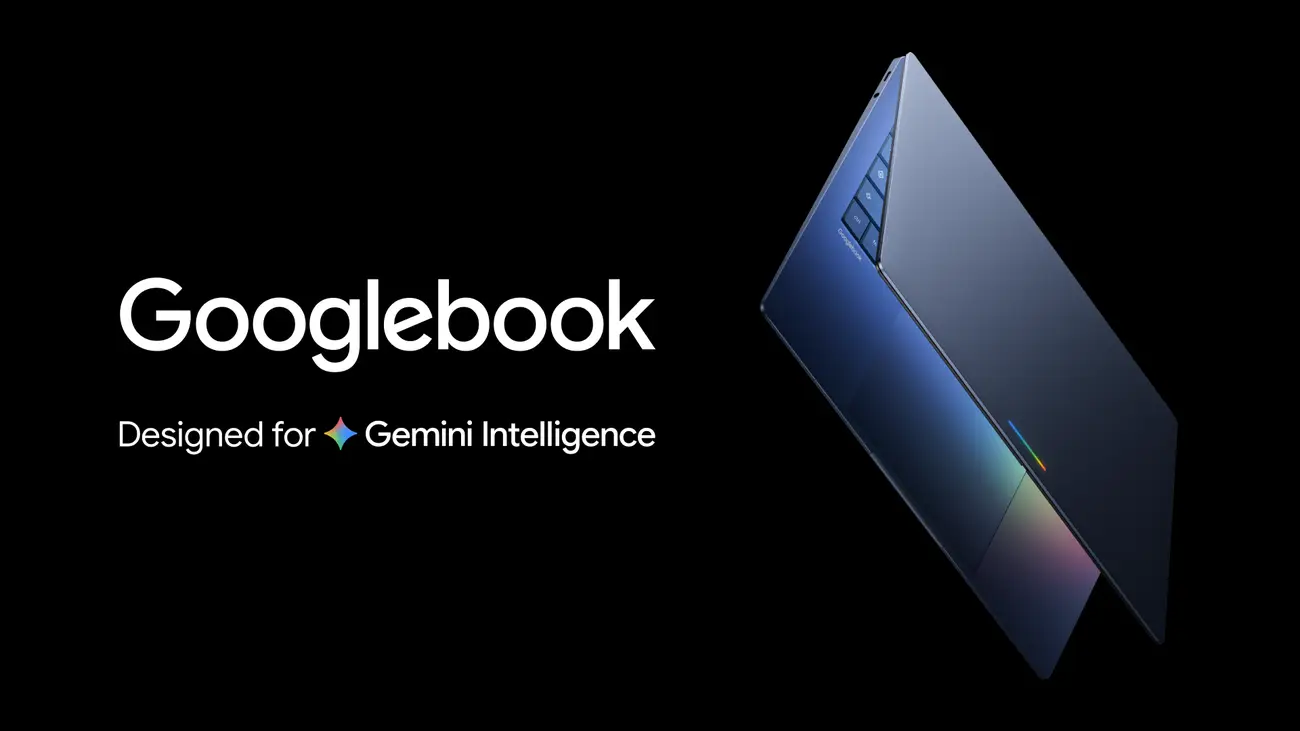
Google just announced something that could change how you use a laptop. At The Android Show: I/O Edition on May 12, 2026, the company previewed Googlebook, a new line of premium AI-powered laptops built from scratch around Gemini Intelligence.
This is not a Chromebook with a new name. Google is taking Android, ChromeOS, and Gemini AI and combining them into one connected laptop experience.
What Exactly Is a Googlebook?
A Googlebook is Google’s upcoming premium laptop built for people who live inside Android every single day. According to Google’s official announcement, these devices are the first laptops designed from the ground up for Gemini Intelligence, offering personal and proactive help throughout the day.
It runs on a platform that brings Android and ChromeOS together into one experience. Google has not confirmed a final OS name publicly. Earlier internal references used the codename “Aluminium OS,” but Google clarified that it was never an official product name.
What separates Googlebook from earlier laptops:
- Gemini Intelligence runs deep inside the OS, not as an extra app layer.
- Android phone apps run directly on the laptop screen.
- Files sync between your phone and laptop instantly.
- Custom AI-generated widgets live on your desktop.
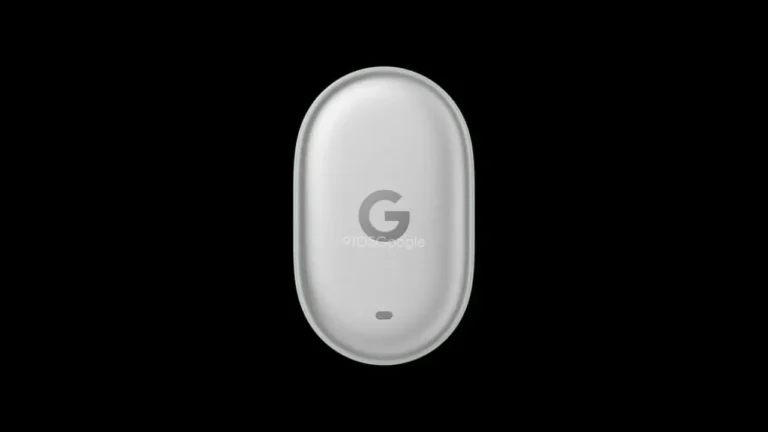
- A signature Glowbar on the keyboard gives every Googlebook a distinct visual identity.
Gemini Intelligence Is the Core, Not a Feature
Google is not treating AI as an add-on. Gemini Intelligence is the foundation around which everything is built. Three features define this:
- Magic Pointer, powered by Google DeepMind, makes your cursor more helpful. When you move it over something on your screen, Gemini understands what you’re looking at and suggests useful actions. For example, hovering over a date in an email can create a calendar event, and selecting two images can automatically arrange them together – all with just a few clicks.
- Create My Widget lets you build custom widgets just by describing what you want in plain language. Gemini then creates a personalized dashboard using information from your Gmail, Calendar, and the web. For example, if you’re planning a trip, it can gather your flight details, hotel bookings, and reservations in one place and even add a countdown automatically.
- Cast My Apps lets you display Android apps from your phone directly on your laptop screen. You can use apps like Duolingo, order food, and complete everyday tasks without needing to pick up your phone.
Why This Move Matters for Every Android User
This shift has been building for years. Google has publicly worked toward bringing Android and ChromeOS closer together. Android chief Sameer Samat previously confirmed the Android codebase would help power the next-generation platform.
Chromebooks succeeded in education and budget computing because they were simple and affordable. Still, premium users often preferred Windows laptops or MacBooks for stronger desktop experiences.
Google now has three important pieces working together:
- Android powers billions of active devices.
- Gemini adds a deeply integrated AI layer across Google services.
- Acer, ASUS, Dell, HP, and Lenovo are all preparing Googlebook devices.
This is not a Google-only hardware experiment. It is a broader platform push backed by major PC manufacturers from day one.
How Googlebook Compares With Apple and Microsoft
Apple has iPhone and Mac. Microsoft has Windows and Copilot. Google has Android, Gemini, and now Googlebook. The difference is where the AI lives.
The platform combines Android apps, Chrome browser workflows, Gemini AI assistance, Google Workspace tools, and cross-device syncing with Android phones. That combination creates a strong position among users already deep in Google services.
Think about it from a user’s perspective. If your phone runs Android, your Googlebook becomes a direct extension of that device. Your apps, files, and notifications follow you across screens without third-party tools or workarounds.
That kind of continuity is what Apple has built for iPhone and Mac users for years. Google is now building the same for the billions of people already on Android.
Pricing has not been confirmed, but multiple sources position Googlebook in the premium laptop segment, well above the $200 to $500 Chromebook range.
What Happens to Chromebooks?
Google confirmed existing Chromebooks will continue receiving support through their scheduled update timelines. Chromebooks released from 2021 onwards are promised 10 years of automatic updates. Older models may qualify for extended support, though some features may vary by hardware.
On migration, Google says many Chromebooks will be eligible to transition to the new experience, but not every device will qualify. Full eligibility details will be shared closer to the fall 2026 launch. This is a platform evolution, not an overnight shutdown.
Final Thoughts
Googlebook feels less like a product launch and more like Google redefining how Android, AI, and desktop computing work together.
What this means for everyday users is simple. You are not buying a new isolated laptop. You are extending the Android phone you already use onto a bigger screen, with a smarter cursor and AI built directly into the foundation.
Once devices are in people’s hands, battery life, app performance, and Gemini’s everyday usefulness will decide everything. Google has the ecosystem, the AI, and the partners in place. Whether Googlebook delivers on that combination, is the question worth watching later this year.
Stay tuned to googlebook.com for hardware details and launch updates as they arrive.