



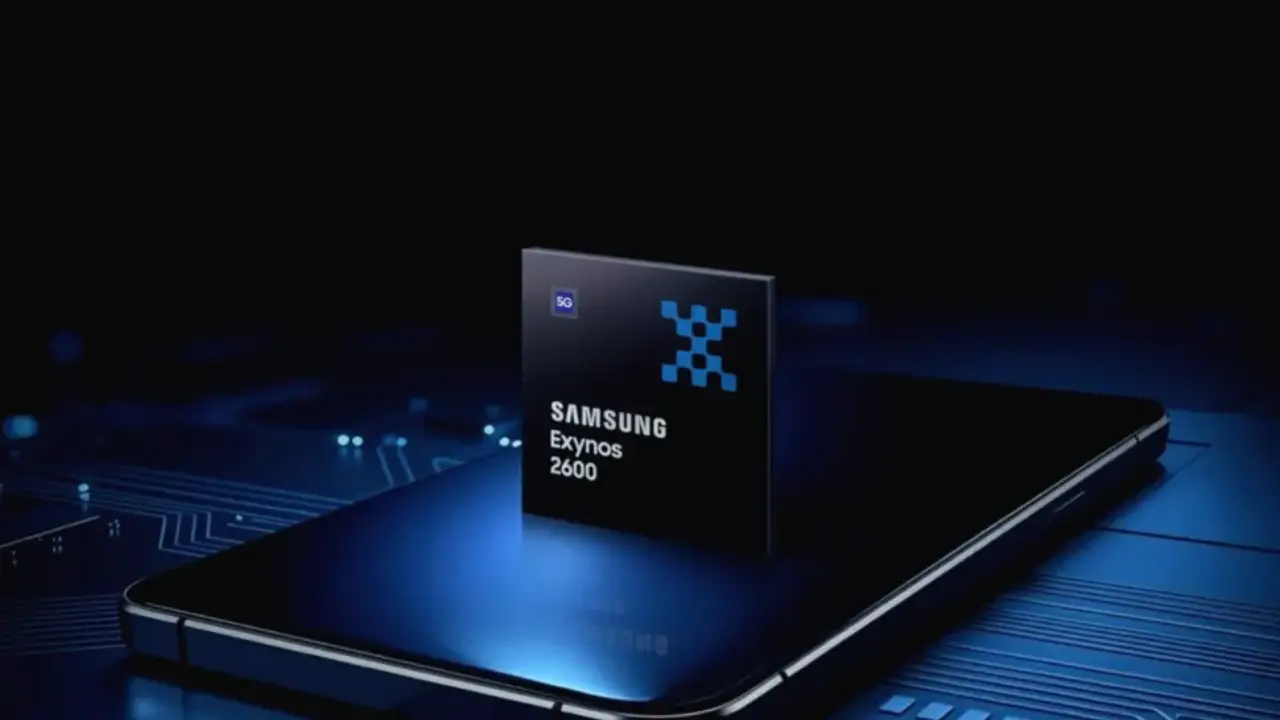
Samsung has finally crossed a line that the mobile industry has been chasing for years. With the launch of the Samsung Exynos 2600, the company has introduced the world’s first 2nm smartphone chipset.
This is not just a headline-friendly milestone. It directly affects how future phones perform, manage heat, and stretch battery life during real use. Let’s break it down and look at what this chip actually brings to the table.
What Makes the Exynos 2600 So Important?
Chipsets are the foundation of every smartphone. When Samsung introduced the Samsung Exynos 2600 2nm chipset, it marked a major step forward in how devices manage speed, heat, and intelligence.
Built using advanced 2nm GAA technology, or Gate All around architecture, this new Samsung 2nm processor provides tighter control of power flow. That translates directly into better efficiency and stronger performance. For users, this means phones that respond faster while using less battery.
Inside the Exynos 2600 Specs and Architecture
The Exynos 2600 specs provide a meaningful balance between raw power and everyday usability. Samsung has focused on real-world performance instead of pursuing benchmark numbers, which is where Samsung Exynos 2600 2nm performance is expected to stand strong in daily use.
Key highlights include:
- A deca-core CPU engineered with Arm v9.3 architecture.
- Upgraded heat management technology based on the Heat Path Block design.
- A powerful Xclipse 960 GPU for graphics-heavy tasks.
- Major upgrades to the NPU (Neural Processing Unit) for on-device AI.
Together, these features make the Samsung flagship chip more powerful under pressure, especially during gaming, multitasking, and camera use.
AI and Graphics Get a Serious Upgrade
AI is no longer a background feature. With the Exynos 2600 features, Samsung has placed AI at the center of the experience. The upgraded NPU enables:
- Faster AI performance improvement.
- Better generative AI on mobile.
- Smarter image processing and AI upscaling.
- Improved voice recognition and real-time translations.
On the visual side, the Xclipse 960 GPU offers smoother frame rates and improved gaming performance while managing power consumption well, reinforcing Samsung’s long-term plan for its Samsung Exynos processor lineup.
Why 2nm Means Better Battery and Heat Control
A smaller chip does more than just run faster. Switching to 2nm brings clear advantages in energy efficiency and keeping things cool. Compared to earlier designs, the Samsung Exynos 2600 drains less battery while maintaining strong performance when things get intense.
That balance is what users actually feel when their phone stays cool and lasts longer on a single charge.
What Devices Will Use the Exynos 2600?
The Galaxy S26 series is expected to be the first to feature this next-gen chipset. However, the Exynos 2600 has already entered mass production and is set to power the Galaxy S26 and Galaxy S26 Plus in certain markets.
This move strengthens Samsung’s position when its performance is compared with competing Snapdragon chips.
Final Thoughts
Samsung is known for innovation, yet the Samsung Exynos news tied to the 2600 stands apart. This is way more than a trial run. It’s a definitive preview of the massive shift coming to the mobile chips we use every single day.
With the announcement of the Exynos 2600, Samsung shows that smart design can bring efficiency, intelligence, and strong performance together in a practical way. If expectations are met, daily smartphone experiences will feel smoother and more reliable.
Interested in how Samsung’s 2nm roadmap will shape new devices? Upcoming launches will offer the answers, and this is only the beginning.